When teams adopt AI, they often make one critical mistake:
“We’re building AI—let’s design the system like a training cluster.”
The result is predictable:
- Overpowered GPUs running at low utilization
- VRAM exhaustion when context grows
- Unstable latency and poor user experience
- High cost with little real benefit
The problem isn’t the technology—it’s the architecture mindset.
👉 Inference-first AI systems must be designed very differently from training systems.
One-Sentence Takeaway
An inference-first AI architecture is not about maximizing compute—it’s about stability, low latency, memory efficiency, and operability.
A Critical Premise: You’re Not “Building” the Model
In inference-first scenarios:
- The model is already trained
- No backpropagation is needed
- Peak FLOPS are not the priority
What you’re really doing is:
Turning a trained model into a reliable, always-on service.
Five Core Principles of Inference-First Architecture
Principle 1: Memory Comes Before Compute
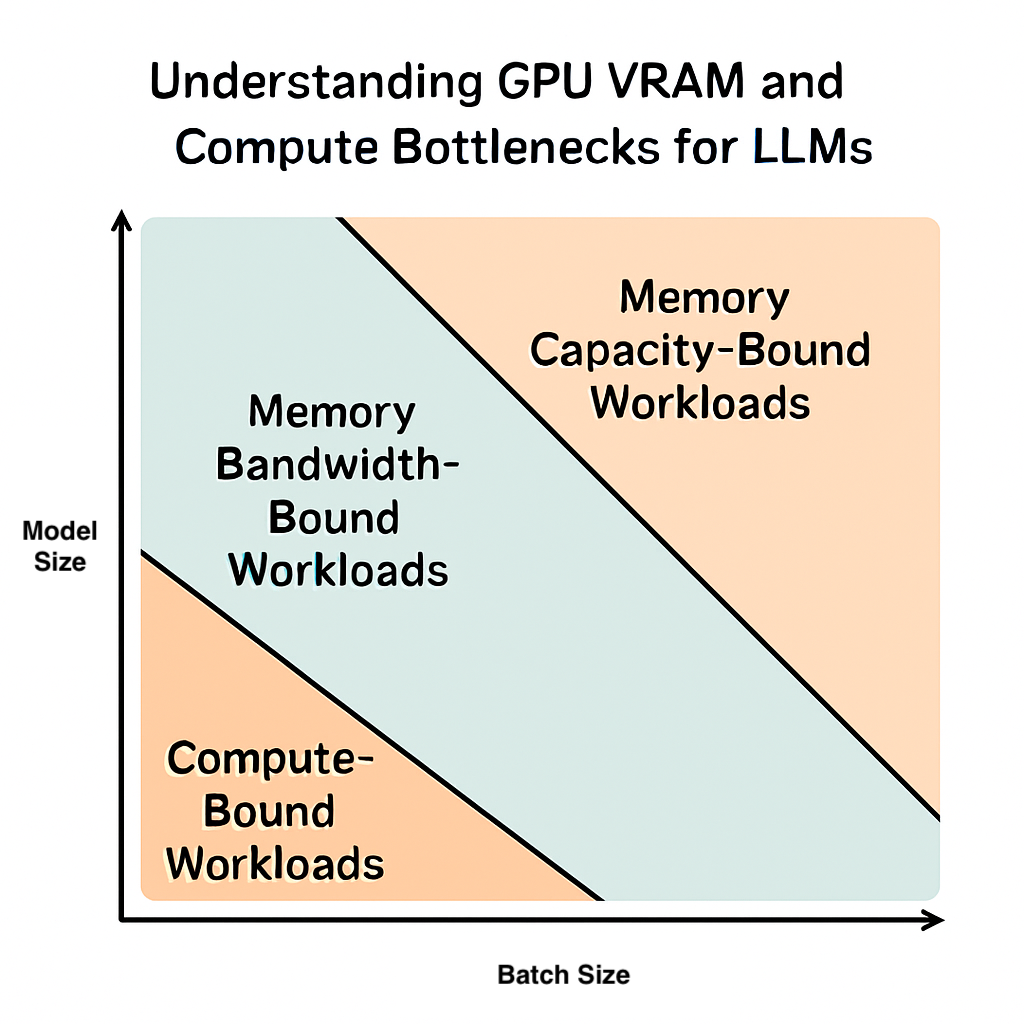
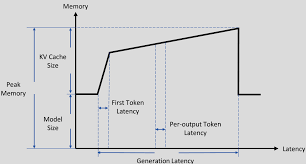
The first question in inference design is always:
Can the model fully fit in memory—consistently?
Design considerations
- VRAM or unified memory capacity
- Model size (including KV cache and context window)
- Reserved headroom for runtime buffers
📌 Insufficient compute makes inference slow; insufficient memory makes it impossible.
Principle 2: Latency Stability Beats Peak Speed
Inference is not a benchmark contest.
What matters in production:
- Consistent response times
- P95 / P99 latency
- Predictable user experience
📌 A system that averages 50 ms but occasionally spikes to 500 ms
feels worse than one that is consistently 120 ms.
Principle 3: Context and KV Cache Must Be Actively Managed
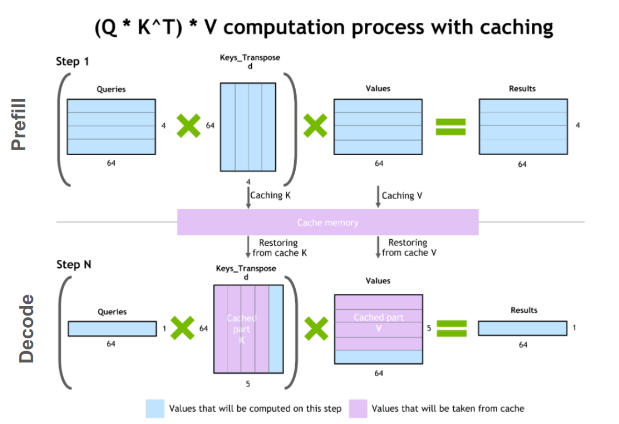
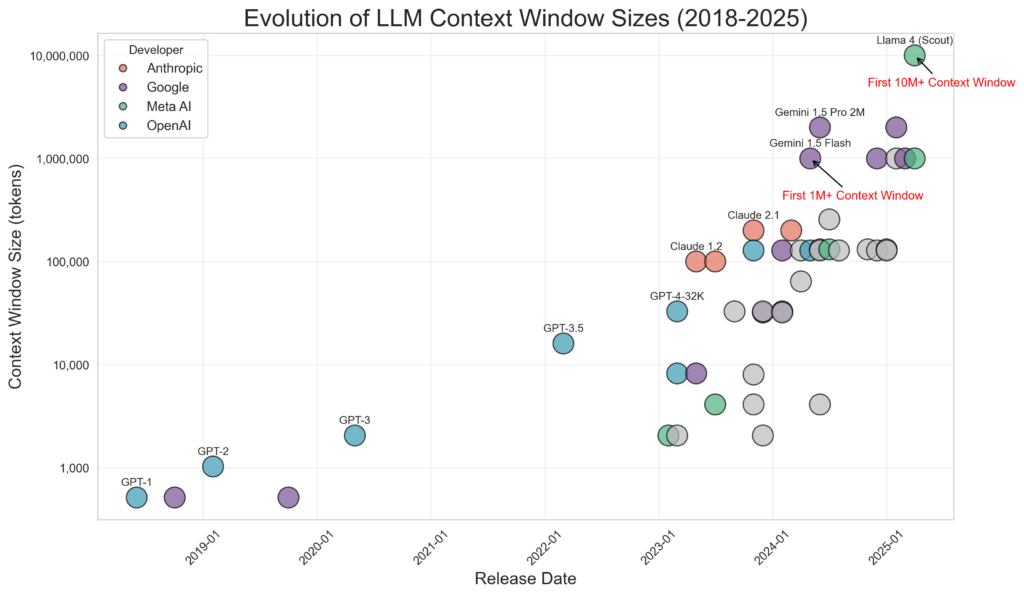
A common mistake in inference systems:
Treating context length as “free.”
It isn’t.
Architectural decisions you must make:
- Maximum context length
- Truncation strategies
- Summarization of long histories
- Chunking and retrieval boundaries
👉 Unmanaged context growth will eventually exhaust VRAM.
Principle 4: One Request ≠ Unlimited Concurrency
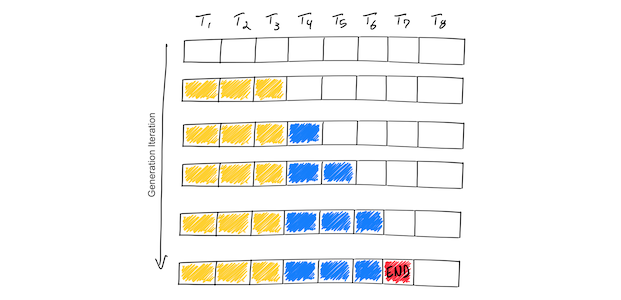
A dangerous assumption:
“If the model runs once, it can run for everyone.”
Reality:
- Each request consumes its own KV cache
- VRAM usage scales with concurrency
- Parallel requests are not free
Practical design approaches
- Enforce maximum concurrency limits
- Introduce request queues
- Use dynamic batching where appropriate
Principle 5: Inference Is a Long-Running Service
Inference systems typically:
- Run 24/7
- Serve users continuously
- Must recover gracefully from failures
Essential operational components
- Health checks
- VRAM and memory monitoring
- OOM protection and limits
- Graceful restarts
👉 Operational stability matters more than peak throughput.
A Typical Inference-First AI Architecture
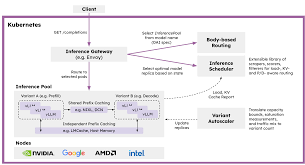
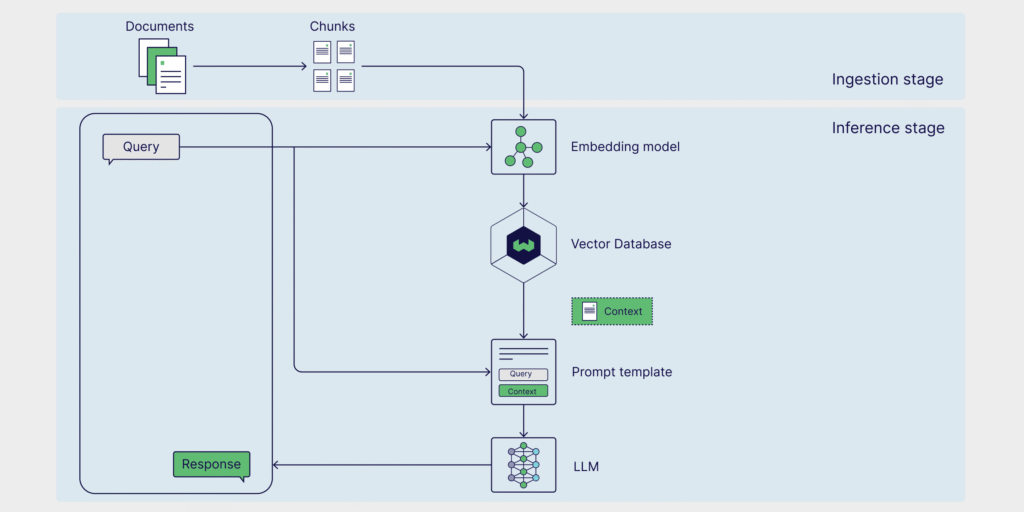
A common inference-first setup includes:
- API Gateway
- Authentication
- Rate limiting
- Traffic control
- Inference Service
- Resident model in memory
- Context and KV cache management
- Concurrency control
- Memory / VRAM Pool
- Persistent model residency
- Avoid repeated model loading
- Optional: RAG Layer
- Vector database
- Context assembly
- Monitoring & Observability
- Latency metrics
- VRAM usage
- Error rates
Inference-First vs Training-First: Design Comparison
| Dimension | Inference-First | Training-First |
|---|---|---|
| Primary goal | Stable service | Model learning |
| Critical resource | Memory | Compute |
| GPU utilization | Moderate | Maximal |
| Latency sensitivity | Extremely high | Low |
| System type | Long-running service | Batch jobs |
| Cost model | Ongoing operations | Upfront investment |
Common Architecture Mistakes to Avoid
❌ Using training-grade GPUs as inference servers
❌ Allowing unlimited context growth
❌ No concurrency limits
❌ No VRAM observability
❌ Reloading models per request
One Concept to Remember
An inference-first AI system is fundamentally a memory-constrained, latency-sensitive service—not a compute benchmark.
Final Conclusion
If 80% of your AI workload is inference, then 80% of your architecture should be designed for inference—not training.
That means:
- You don’t need the most powerful GPU
- You need predictable performance
- You need systems that can run forever without breaking