When organizations adopt LLMs, one question almost always appears early:
“Should we use RAG, or should we fine-tune the model?”
This question is often misunderstood because many assume RAG and fine-tuning are alternatives.
They are not.
👉 RAG and fine-tuning solve fundamentally different problems.
This article explains the difference in plain terms—so you don’t waste time, money, or infrastructure.

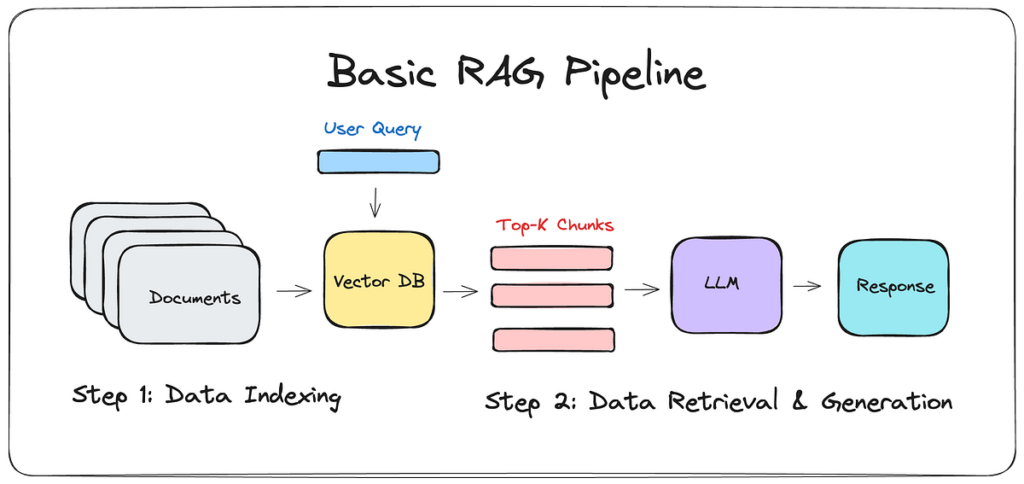
One-Sentence Takeaway
RAG solves the problem of missing information.
Fine-tuning solves the problem of incorrect behavior.
Once you separate these two, the right choice becomes obvious.
First, Understand What Each One Actually Does
🔎 RAG (Retrieval-Augmented Generation)
- Does not modify the model
- Does not change weights
- Retrieves relevant data at runtime
- Affects only the current response
👉 RAG is real-time data injection during inference.
🧠 Fine-Tuning
- Modifies model weights
- Requires training
- Knowledge becomes embedded in the model
- Affects all future responses
👉 Fine-tuning changes model behavior at the training layer.
A Simple Mental Model
RAG is like being allowed to look up reference materials during an exam.
Fine-tuning is like memorizing how to solve the problems.
- Changing information → look it up
- Stable skills → memorize them
When You Should Definitely Use RAG
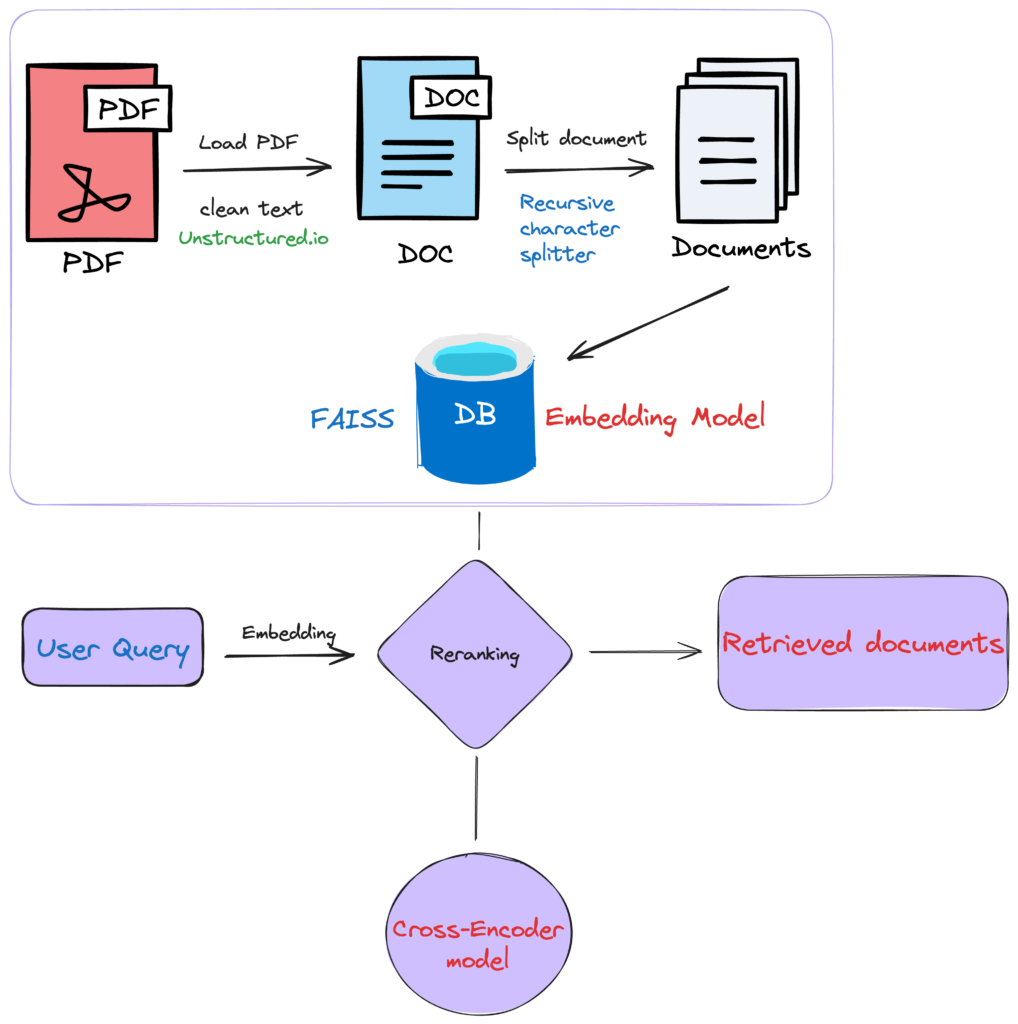
Typical RAG use cases
- Internal company documents
- SOPs, policies, contracts
- ERP / EIP / operational knowledge
- Regulations and compliance material
- Frequently changing data
📌 Why?
- You don’t want to retrain every time a document changes
- Updates must take effect immediately
- Data must be removable and auditable
👉 This type of knowledge should never be baked into model weights.
When Fine-Tuning Makes Sense
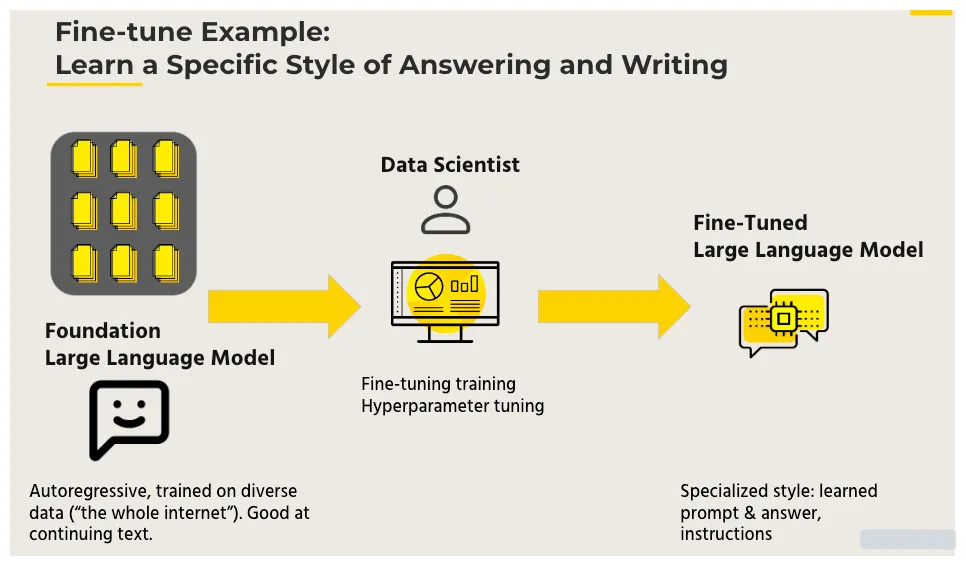
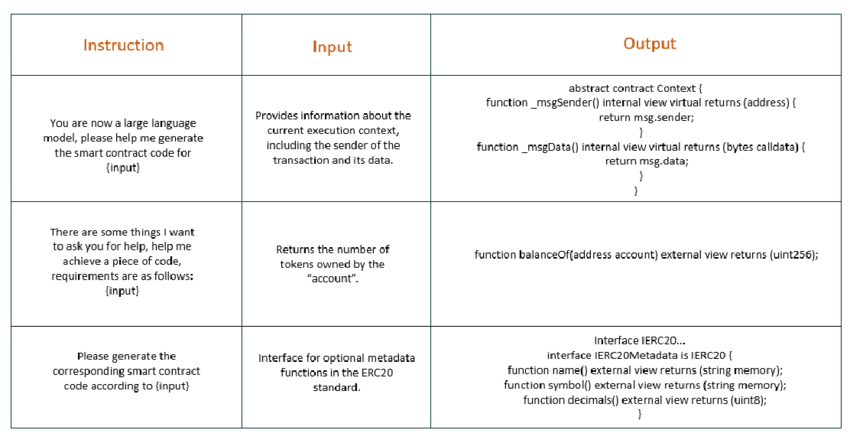
Typical fine-tuning use cases
- Writing tone and style
- Fixed response formats
- Repetitive task workflows
- Domain-specific language usage
- Structured tasks (classification, extraction, summarization)
📌 These share key properties:
- Stable over time
- Consistent
- Represent skills, not facts
👉 Skills are worth training. Facts are not.
What Happens If You Use Fine-Tuning Instead of RAG?
This is where teams often make expensive mistakes.
❌ Problem 1: Exploding Costs
- Training requires GPUs
- Every document update triggers retraining
- Costs scale with document volume
👉 RAG exists specifically to avoid this.
❌ Problem 2: Irreversible or Outdated Knowledge
- Old documents become permanently embedded
- Deleting or correcting knowledge is difficult or impossible
- Legal and compliance risks increase
👉 Inference-layer RAG allows instant removal of data.
❌ Problem 3: Worse Results Than Expected
- Inconsistent document quality introduces noise
- Errors become permanent
- Debugging is extremely difficult
👉 RAG keeps mistakes temporary, not permanent.
Can You Use Only RAG Without Fine-Tuning?
Yes—and often that’s enough.
However, if you notice:
- The model misunderstands instructions
- Output format is inconsistent
- Reasoning steps are unreliable
👉 Then the problem is not missing data—it’s behavior.
That’s where fine-tuning helps.
The Best Real-World Approach: Use Both (Correctly)
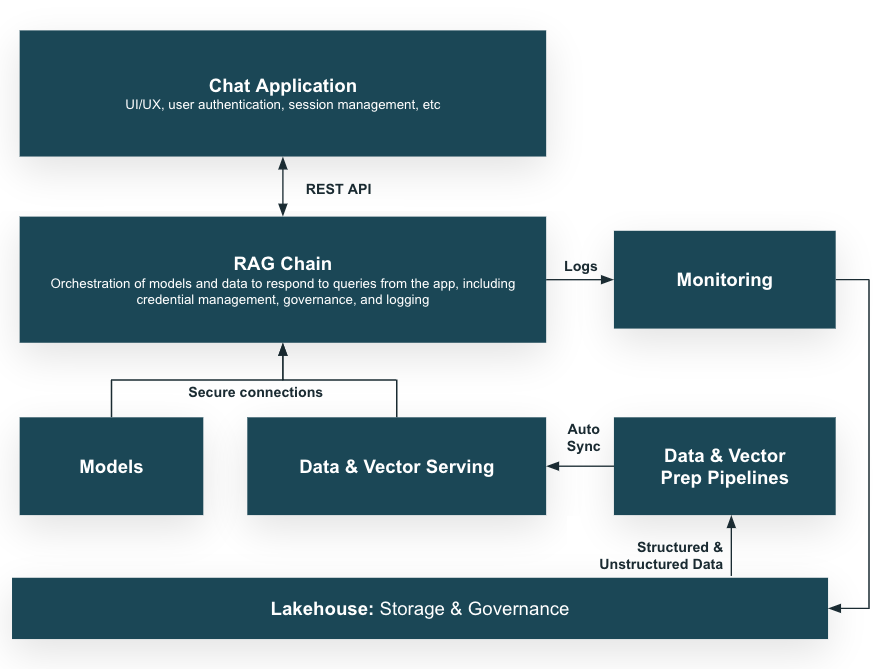
The proper division of labor
- Fine-Tuning
- Teaches how to respond
- Controls format, tone, logic, workflows
- RAG
- Supplies what information to use
- Documents, policies, facts, references
👉 Behavior comes from training. Knowledge comes from retrieval.
A Quick Decision Table
| Problem Type | RAG | Fine-Tuning |
|---|---|---|
| Frequently changing data | ✅ | ❌ |
| Immediate updates needed | ✅ | ❌ |
| Inconsistent output format | ❌ | ✅ |
| Task-specific skills | ❌ | ✅ |
| Compliance / removability | ✅ | ❌ |
| Cost predictability | ✅ | ❌ |
One Sentence to Remember (Critical)
Never use fine-tuning to solve a data problem.
Never use RAG to solve a behavior problem.
Final Conclusion
RAG and fine-tuning are not a binary choice—they are complementary tools.
- Data problems → RAG
- Behavior problems → Fine-tuning
- Enterprise-grade systems → both, used correctly
Follow this rule, and you’ll avoid most architectural mistakes before they happen.