When planning an AI system, a common first question is:
“Should we deploy this in the cloud, or on-prem?”
But this question is missing a crucial step.
The real question should be:
👉 Is your AI workload primarily training or inference?
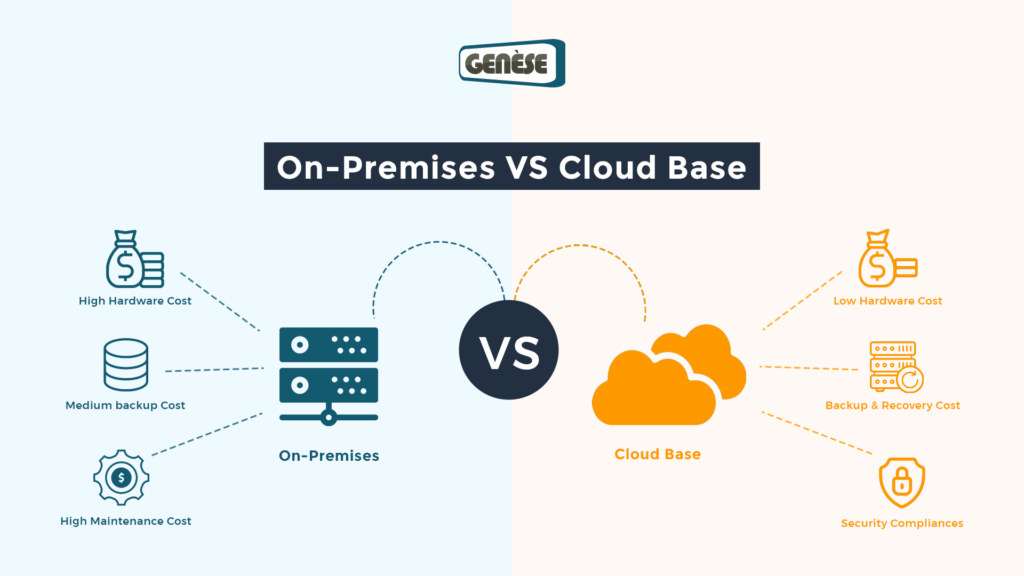
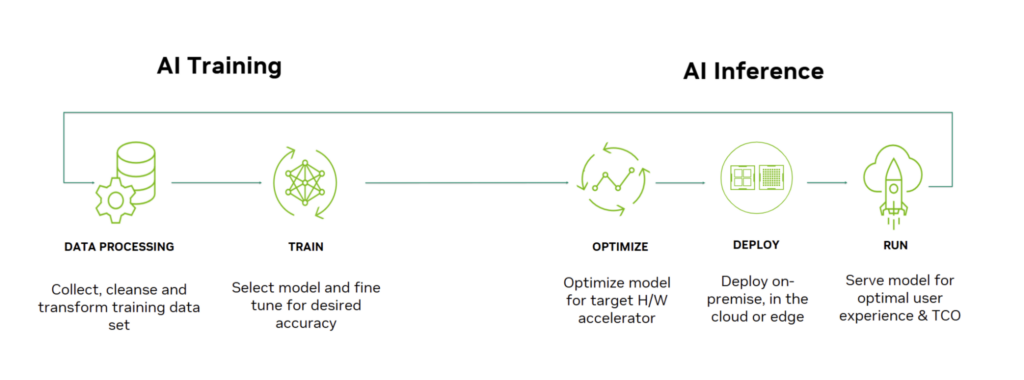
Because training and inference often lead to completely different answers when choosing between cloud and on-prem.
One-Sentence Takeaway
The first decision in AI architecture is training vs inference.
Only after that should you decide between cloud and on-prem.
If you reverse the order, you’ll almost certainly choose the wrong setup.
First, Clarify the Two Workloads
🧠 AI Training
- Purpose: Teach the model, update weights
- Characteristics:
- Extremely compute-intensive
- Short-term but bursty workloads
- Can shut down once training finishes
- Cost profile:
- Compute-driven
- Pay for peak power, briefly
💬 AI Inference
- Purpose: Use the trained model
- Characteristics:
- Long-running, always-on
- Highly sensitive to latency and stability
- Memory capacity often more important than raw compute
- Cost profile:
- Operations-driven
- Continuous, 24/7 cost
Why Training Is Usually Better in the Cloud
What Training Really Needs
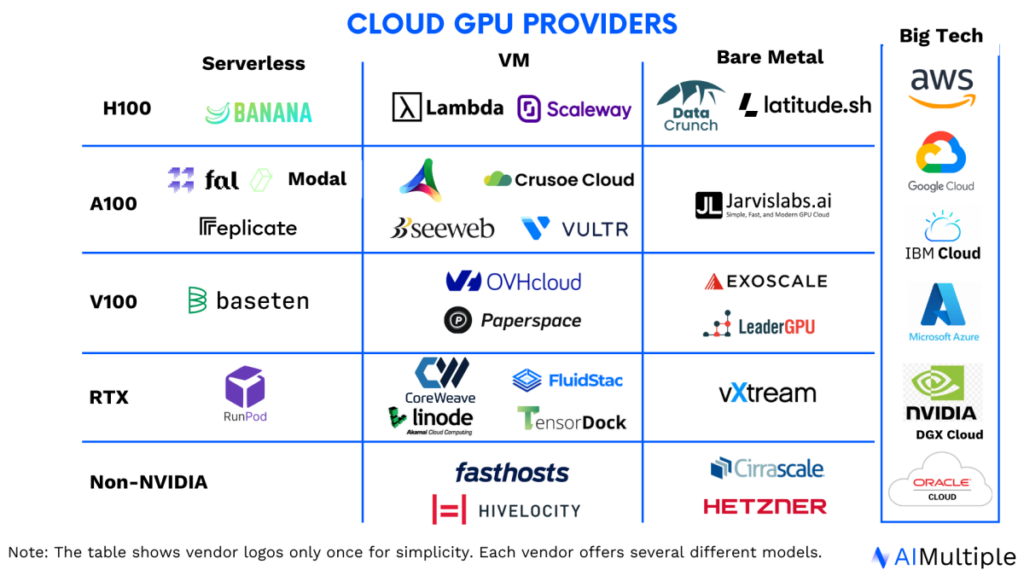
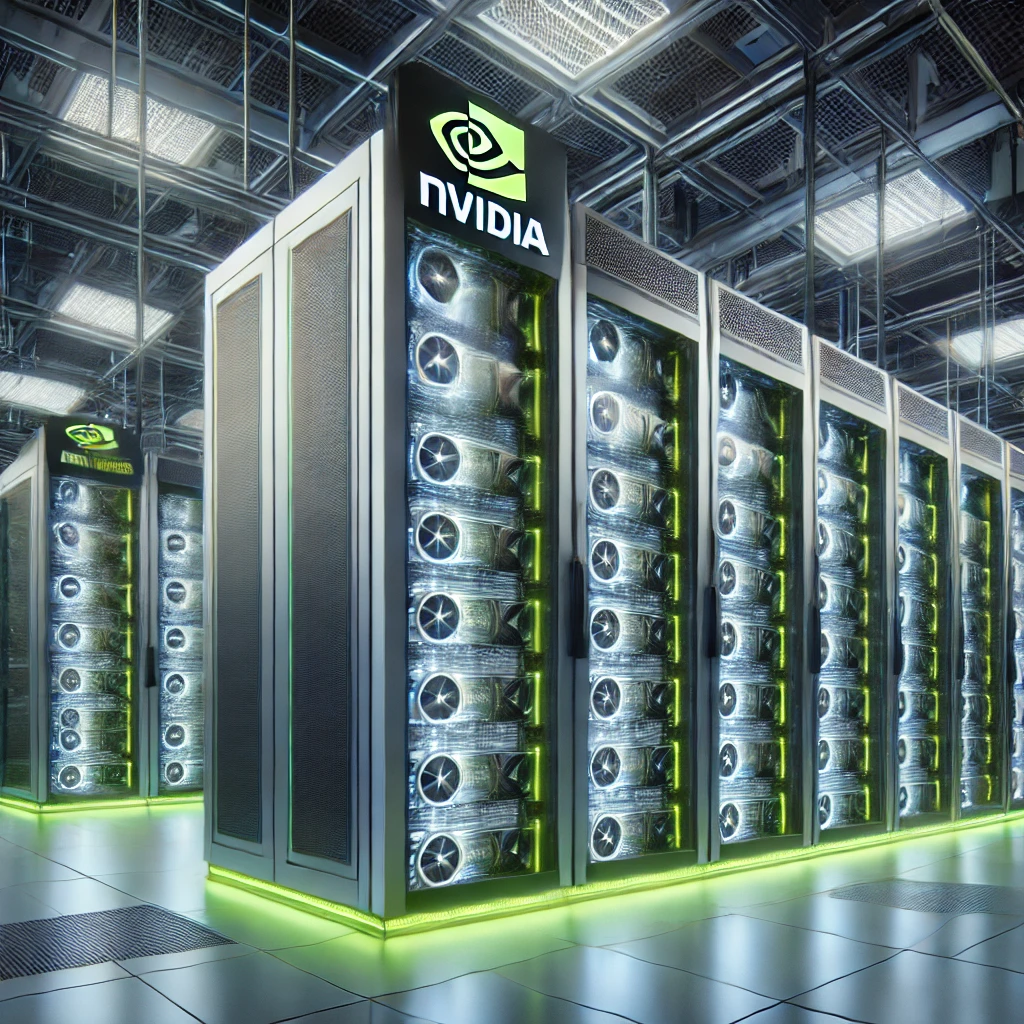
- Very powerful GPUs
- Multi-GPU or multi-node scaling
- High power and cooling for limited periods
Why the Cloud Fits Training Well
- Rent top-tier GPUs only when needed
- No need to manage power, cooling, or hardware failures
- Release resources immediately after training completes
📌 For training, the cloud acts as a flexible compute pool.
When “Training + Cloud” Makes the Most Sense
- Training happens occasionally, not constantly
- Model sizes and architectures change frequently
- You want access to the latest GPU generations
- You want to avoid hardware depreciation risk
👉 For most organizations, cloud-based training is the least risky option.
Why Inference Often Belongs On-Prem
What Inference Really Needs
- Models resident in memory
- Predictable, low latency
- Long-term stability
- Cost predictability
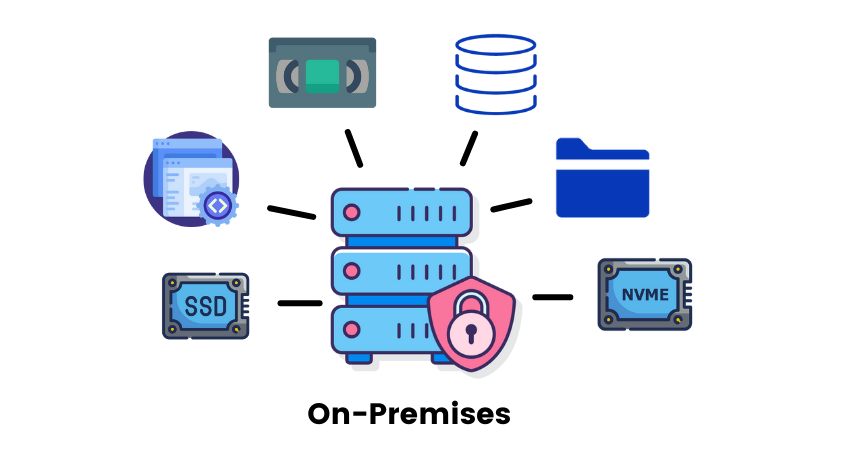
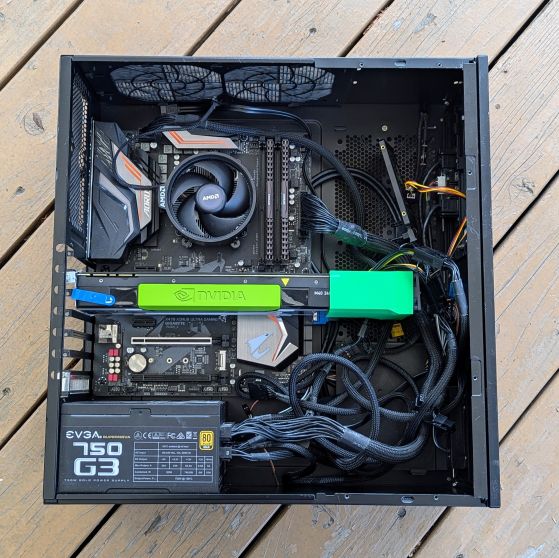
Why On-Prem Works Well for Inference
- One-time hardware investment
- No perpetual GPU rental fees
- Lowest possible latency
- Sensitive data stays inside the network
📌 For inference, on-prem is a long-running service platform.
When “Inference + On-Prem” Is the Best Choice
- High-frequency or daily usage
- Latency-sensitive applications
- Internal or confidential data
- Desire for predictable long-term costs
👉 At scale, on-prem inference is often cheaper and more stable than cloud inference.
Is Cloud Inference Ever a Good Idea?
Yes—but with clear trade-offs.
Advantages of Cloud Inference
- Fast to deploy
- Easy to scale temporarily
- No hardware management
Hidden Costs of Cloud Inference
- 24/7 GPU rental fees
- VRAM usage billed continuously
- Network latency and variability
- Long-term costs can quietly explode
📌 Once inference becomes a daily service, cloud costs escalate quickly.
Training / Inference × Cloud / On-Prem Matrix
| Workload | Cloud | On-Prem |
|---|---|---|
| Training | ✅ Excellent fit | ❌ Costly, inflexible |
| Inference (high frequency) | ⚠️ Cost risk | ✅ Stable & economical |
| Inference (low frequency) | ✅ Convenient | ⚠️ Underutilized hardware |
| Sensitive data | ⚠️ Requires controls | ✅ Strongest isolation |
| Rapid experimentation | ✅ Ideal | ⚠️ Slower setup |
The Most Practical Approach: Hybrid Architecture
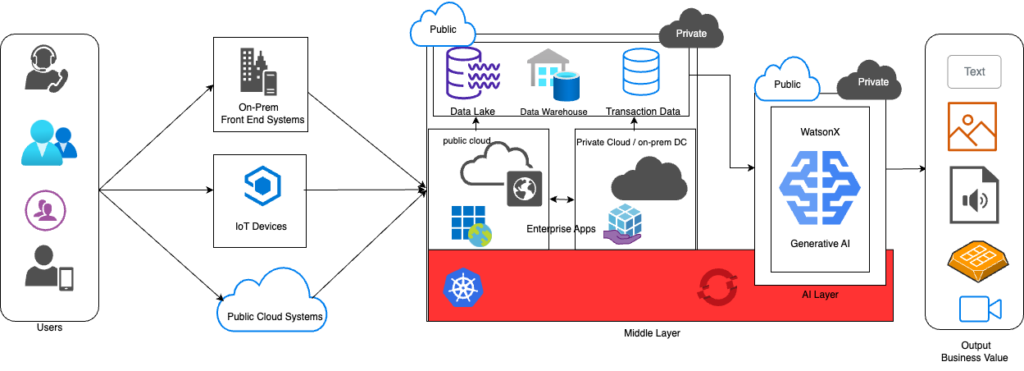
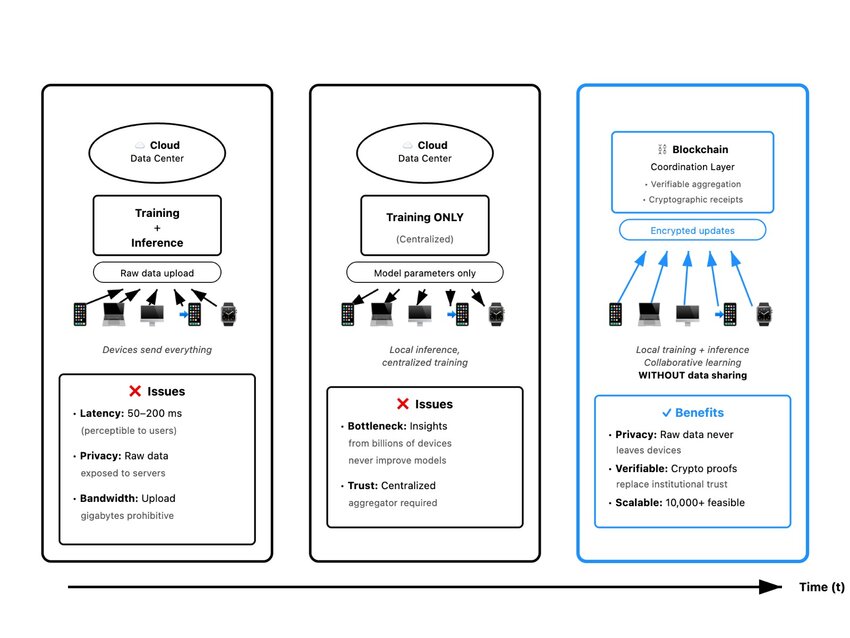
Many mature AI teams converge on this model:
Train in the cloud. Run inference on-prem.
Why this works well
- Maximum flexibility for training
- Minimum long-term cost for inference
- Clear separation of responsibilities
- Easier risk and cost control
📌 This is currently the most common real-world architecture.
A Simple Decision Flow (Practical)
Ask these questions in order:
- Am I training models or running inference?
- Is this workload occasional or daily?
- Do I care more about latency, data control, or flexibility?
- Is this cost bursty or continuous?
👉 In most cases, the answer becomes obvious.
One Sentence to Remember
Training optimizes for elastic compute.
Inference optimizes for long-term stability.
Final Conclusion
There is no “cloud-only” or “on-prem-only” rule—only the question of where a specific workload fits best.
- Training → usually cloud
- Inference → often on-prem
- Mature systems → hybrid
Understanding this distinction prevents:
- Overspending on GPUs
- Over-engineering infrastructure
- Surprises in long-term AI costs